Simple kitchen and food habits for a cleaner routine

Maintaining a clean home in Kenya doesn't require harsh chemicals or stressful regimes. It’s about building practical, everyday habits—from the moment you return from the market to how you store tonight’s leftovers.
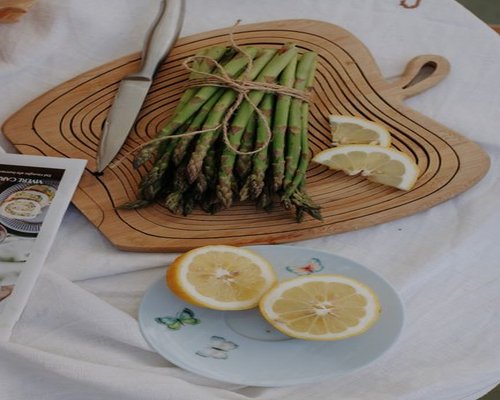
A bundle of fresh sukuma wiki on a wooden cutting board

From Market to Table

A mindful approach to food preparation ensures that family meals remain a source of comfort and wellness.

1

Wash Hands Before Unpacking

After a commute through dusty roads or a crowded matatu ride, your hands carry the city. Washing with soap and clean water before touching your fresh produce is the first line of household hygiene.

2

Rinse Fruits and Vegetables Thoroughly

Market vegetables pass through many hands. Taking the time to rinse sukuma wiki, tomatoes, and fruits under safe, running water removes soil and agricultural dust, preparing them safely for the cooking pot.

3

Separate Raw and Cooked Foods

Keep raw meats on separate cutting boards away from fresh salads and fruits. Wiping down kitchen surfaces immediately after preparation prevents cross-contamination and keeps the kitchen tidy.

4

Store Leftovers Securely

Whether it’s extra rice, beans, or ugali, allow food to cool, then store it in clean, tightly covered containers. This keeps food fresh for the next day and protects it from common household pests.

Common Hygiene Questions

Why is boiling drinking water so critical?
In many areas, tap water can fluctuate in quality, especially during heavy rainy seasons. Boiling water to a rolling boil is a traditional and highly reliable method to ensure that your family's hydration is completely safe. Always store boiled water in a clean, covered container.
How often should kitchen surfaces be cleaned?
Surfaces should ideally be wiped down before you begin cooking and immediately after. Using a clean cloth with warm soapy water is usually sufficient for everyday spills and food preparation areas.
What is the best way to handle school lunches?
When packing food for children, use clean, airtight containers. Ensure the food is thoroughly cooked and packed in a way that it won't spoil quickly in a warm school bag. Washing the lunchboxes with hot soapy water every evening is an essential habit.
What should I do if I feel unwell despite good hygiene?
Good household hygiene supports general wellbeing, but it is not a substitute for medical care. If you or a family member develop symptoms, fevers, or persistent discomfort, always visit a local clinic or consult a qualified health professional rather than attempting home diagnoses.
Transparency & Educational Notice: The content provided on xazebub is strictly for informational and educational lifestyle purposes. It does not provide medical diagnosis, nor does it offer or suggest treatments. We do not claim that our everyday hygiene tips or herbal tea routines kill, remove, prevent, or protect against parasites, infections, or diseases. Our content is not a substitute for professional medical evaluation. If you have specific health concerns, please consult a qualified healthcare professional in your area.